The Children’s Cemetery in the Atacama Desert
Graves. Endlessly hidden in the Atacama desert. The memory of lives lost lingering across salty flatlands. The eyes of young children piercing into my soul. This place is called ‘El Cementerio de los Apestados’ or, ‘The Plague Victims’ Cemetery’, better known as the ‘Children’s Cemetery’.
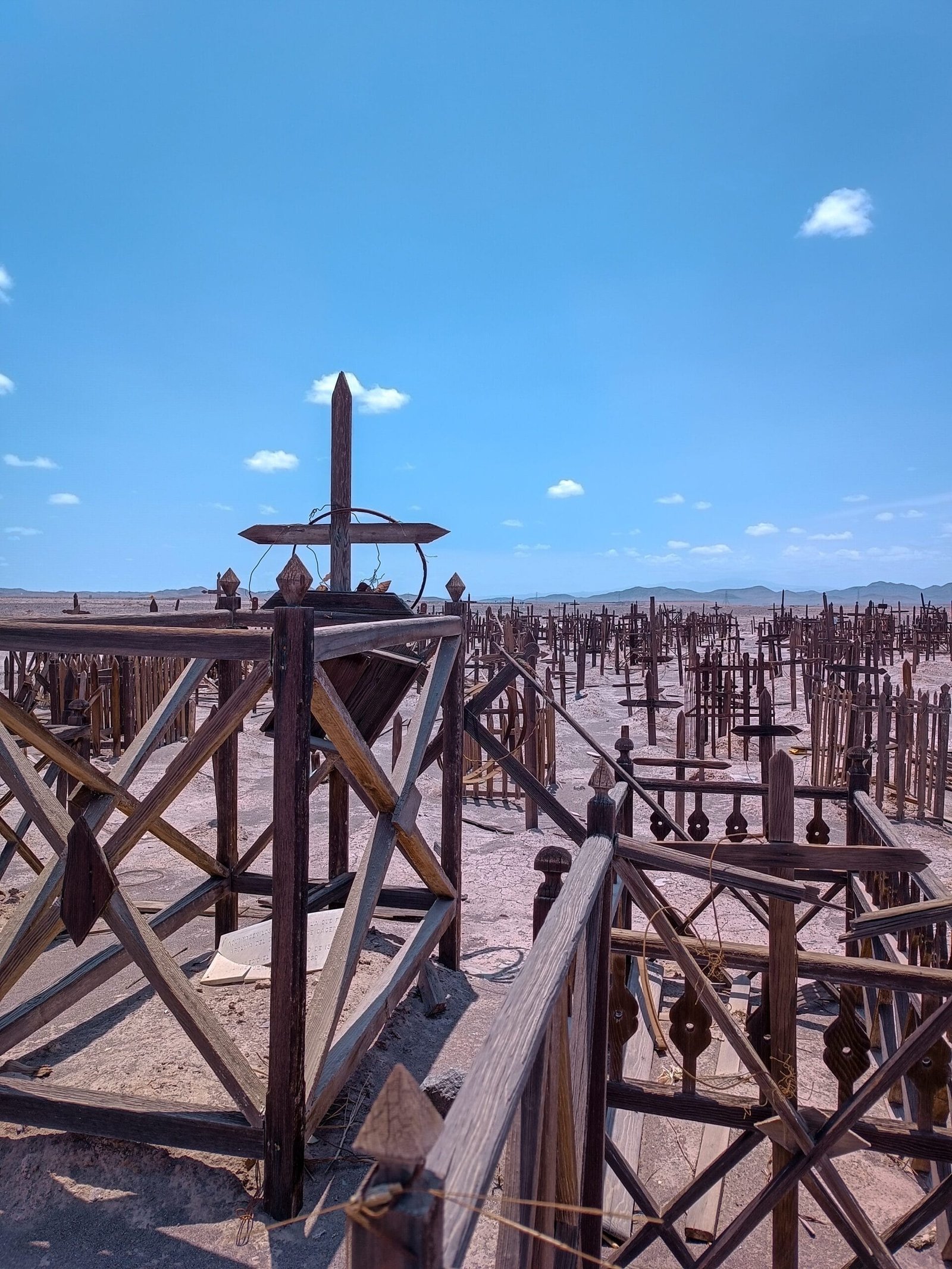
Yet, when we arrived, we didn’t know all this. All we saw were endless wooden crosses. The tiniest graves. Little toys and barbed wire decorating splintered wood. The place gave me goosebumps and nearly brought me to tears. No reason. Just the utter sadness surrounding it. Questions flooding my mind. What could have happened here?
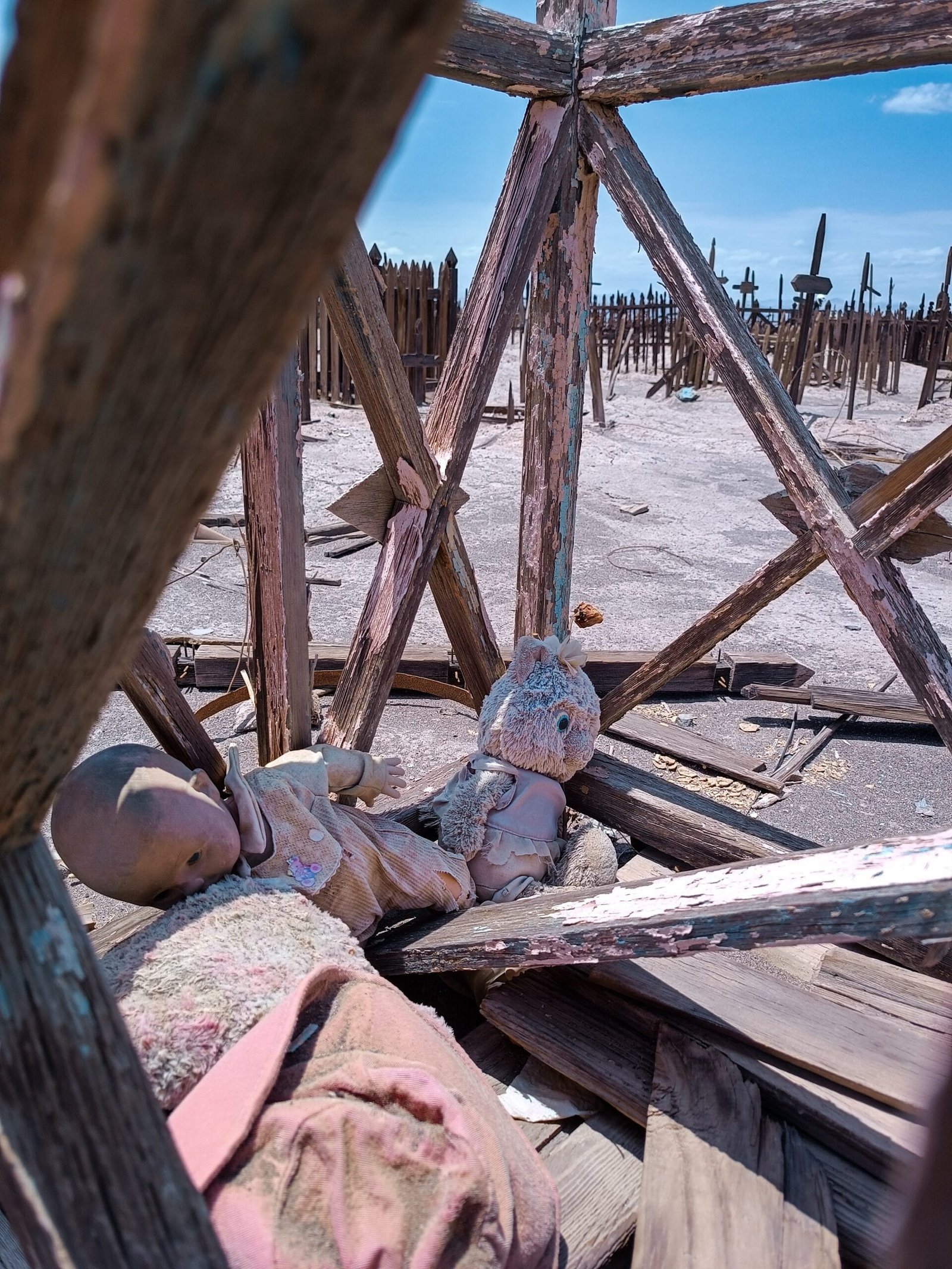
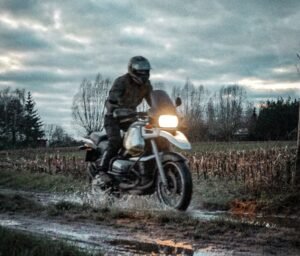
I could, and will, tell you about the history of this place, but first, let me guide you around. We parked our motorbikes and started walking. The first grave on the left was collapsing. The cross had broken, but the wooden crib surrounding it cradled several decaying teddy bears and dolls. Remnants of pink decorated the fading wood.
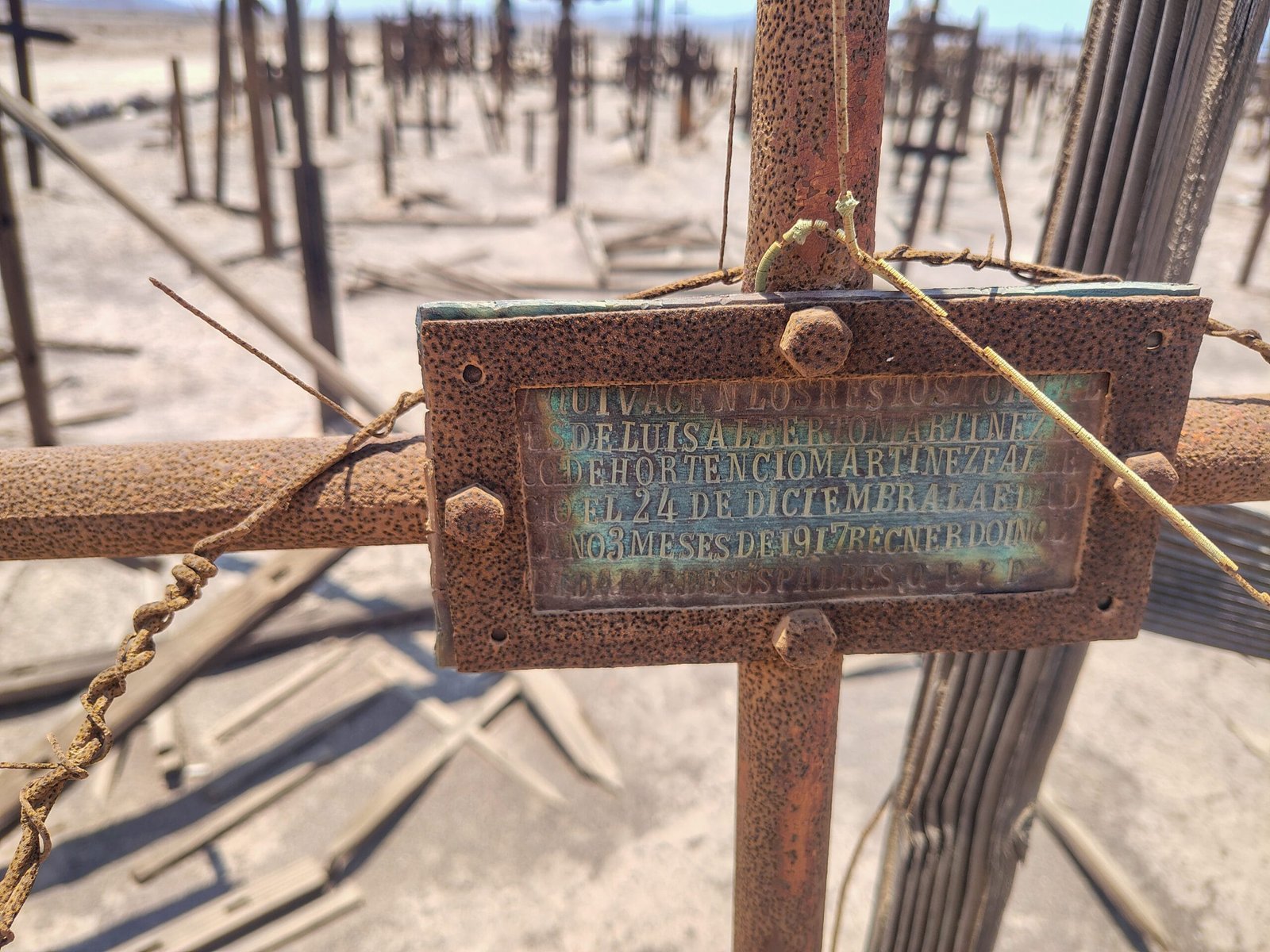
A little further a metal plaque tells us about Luisa. A little girl born on the 24th of December 1917, losing her life a mere 3 months later. Imagine becoming a mother in these barren landscapes, your husband most likely working in one of the many mines in that area. Giving everything you can to keep this immensely small human alive, yet forced to watch her wither away.
Another grave holds Elena and Rosa. Two little girls, who lost their lives at the ages of two years and just two months in 1918. Their parents Maria and Ernesto lived on. Or at least for a little while.
Many graves no longer carry a name, or maybe never did. So many lives lost. Shallow graves everywhere. Tiny graves. Merely big enough to bury a toddler.
This story is in honour of all of them. In honour of all the lives not lived. Taken away before they had a chance to get started. The dead children’s ghosts linger and now I carry a few along.
This brings me to a dream I only ever told Jonas. A nightmare that left me feeling lost and disoriented. By now it is fading, but let me tell you what has stuck with me. A little girl in the corner of our apartment. Dark hair. Brown eyes. Anxious eyes. A beautiful little toddler. The perfect young girl. A thought most likely every mother would have about her child. But this girl, this girl, she was dying. I held her in my arms. Embraced her while she fought to breathe, fought for life, but she never stood a chance. She died there, in my arms.
I woke up, but the dream stayed. Every time I saw that corner of our apartment I saw my little girl. My dream girl. My dead girl that had never existed. Nonetheless, since that dream she lives with me, now joined by many other innocent children from this eerie desert graveyard. Maybe, somehow, I can carry them all with me and turn a few of those lost hopes and dreams into reality. May they live, even a little, with me.
Having seen this place, I needed something solid to hold onto. Facts. Dates. Explanations. Reality. Or history. Although in this case, the truth isn’t much better than the graveyard impressions. There is a short Wikipedia page dedicated to this place, but let me summarise it for you. This cemetery was created out of necessity in the early 20th century, when devastating epidemics swept through northern Chile’s mining region. Beginning around 1903, diseases like the bubonic plague, yellow fever, smallpox and tuberculosis spread rapidly through the isolated pampa towns, brought in by ships and carried inland by rail. To prevent further contagion, the dead were buried far from settlements, in shallow graves carved into the hard salt desert. Thousands lie here, most unnamed. Many were never even recorded, making this place one of Chile’s most haunting reminders of lives lost almost before they began.
We eventually walked back to our motorbikes, helmets already on our heads, voices low. The desert looked the same as when we arrived, but I didn’t feel the same anymore. Some places don’t ask to be understood, only remembered. El Cementerio de los Apestados is one of them. We rode on, carrying dust on our boots, silence between us, and the quiet responsibility of having witnessed something that should never be forgotten.