Ruta 3 in Argentina
Impressions from an Empty Road
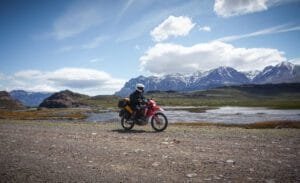
Ruta 3 in Argentina. Vast emptiness. A dream, or a nightmare?
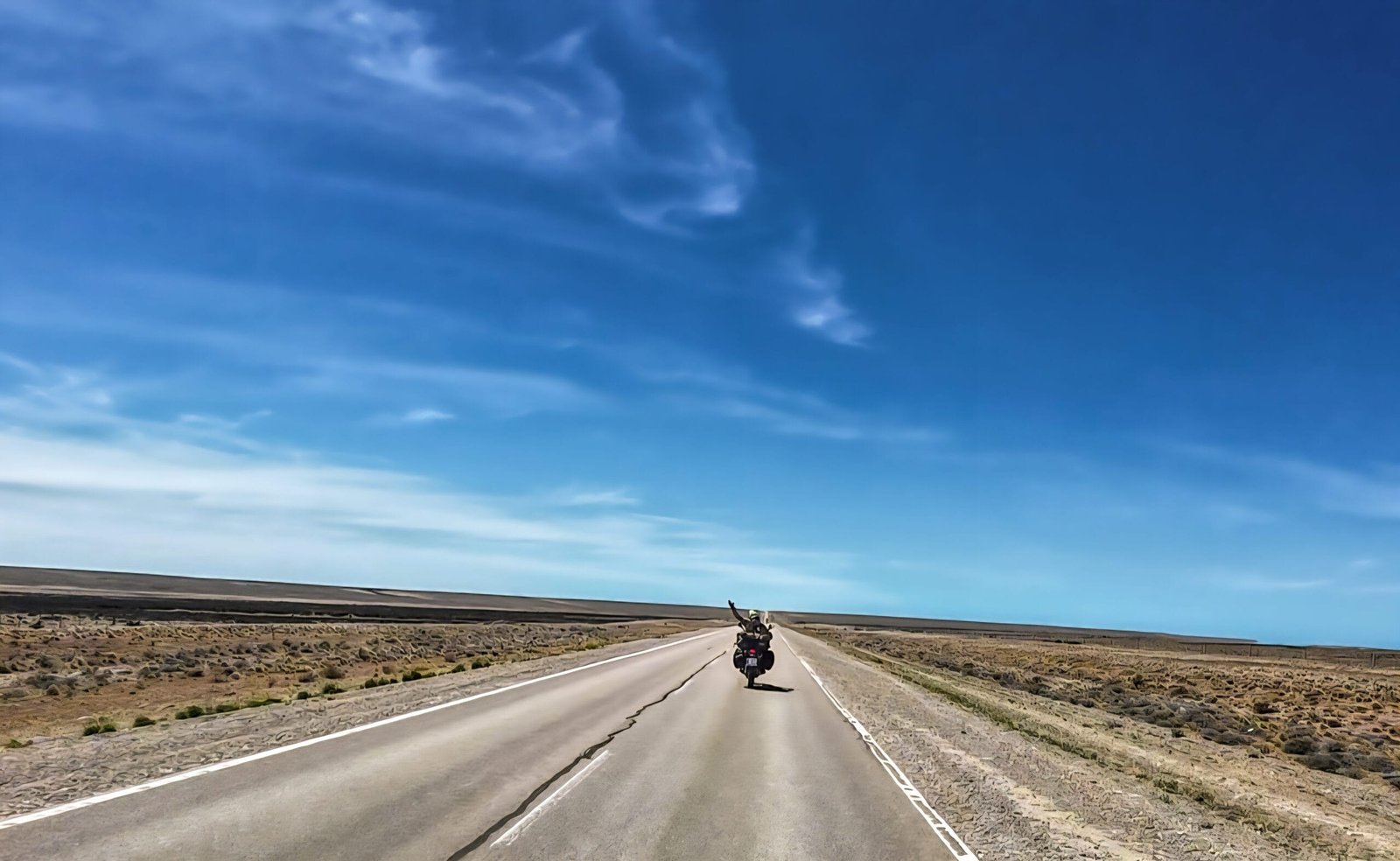
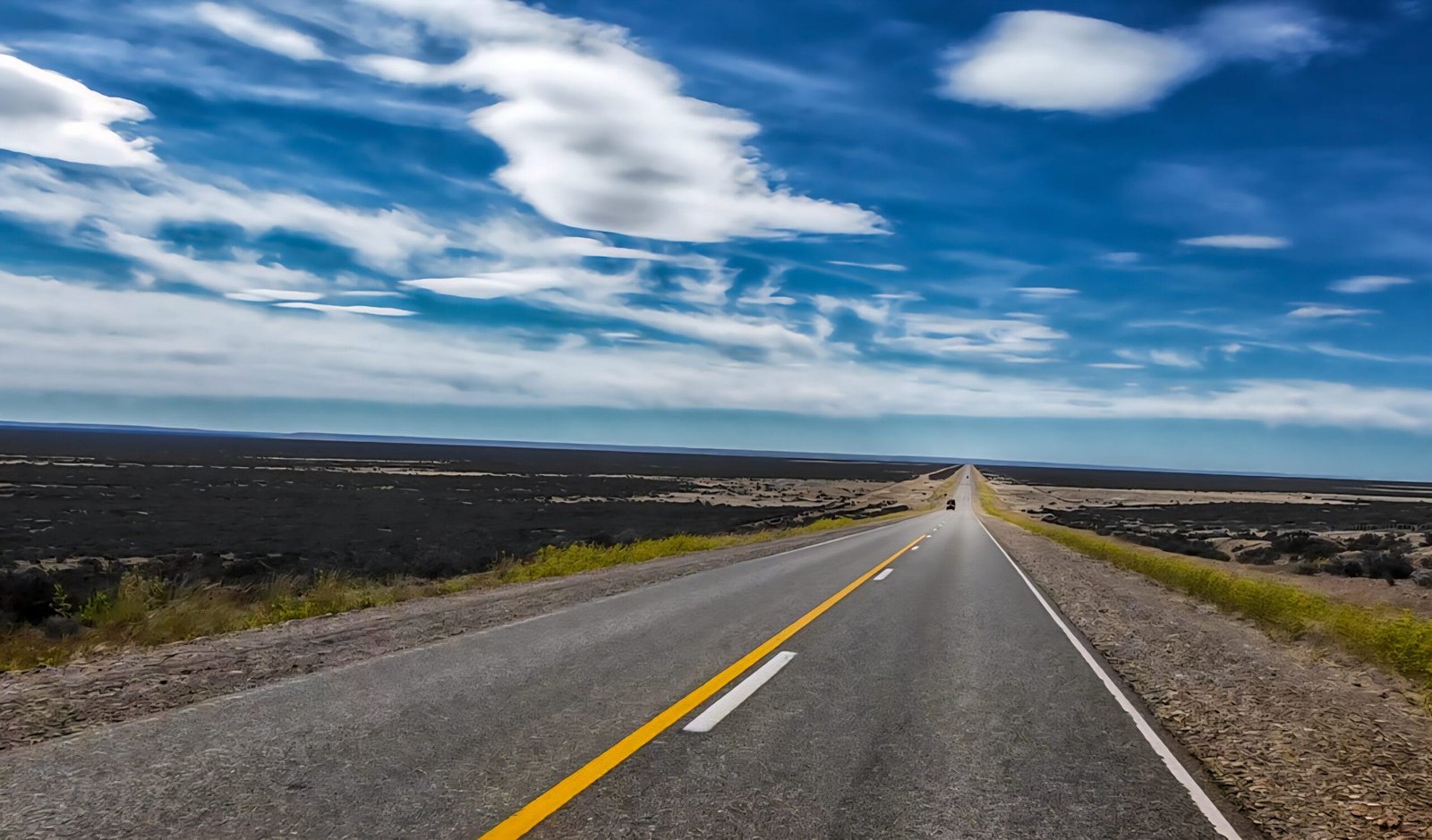
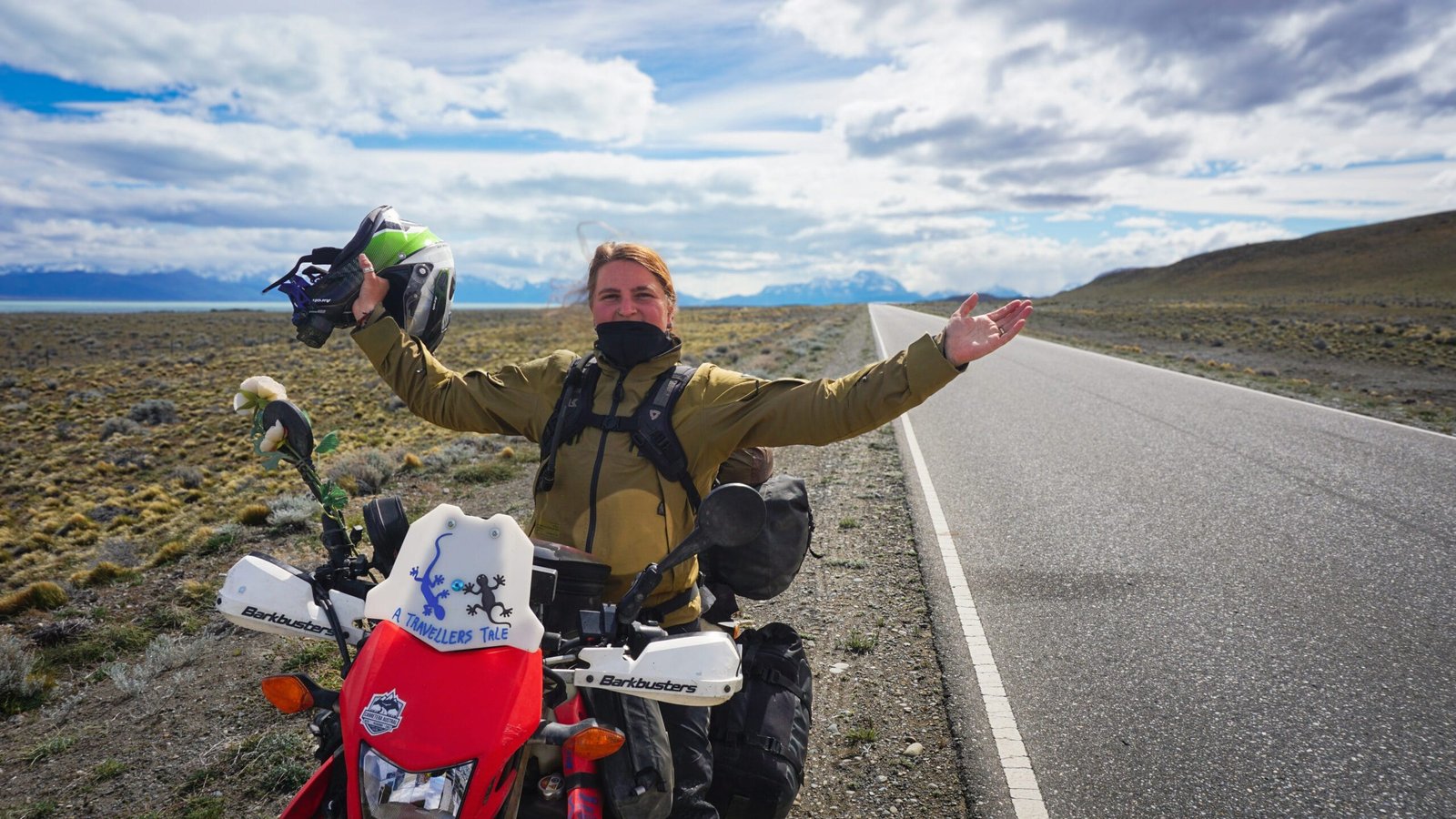
It cuts through a desert-like vastness, a ribbon of asphalt stretching endlessly toward the horizon. The only sounds are my breath inside my helmet and the soaring wind outside. Slowly, I inhale. Eyes fixed on the distance. We are alone here.
Or so it seems.
What first appears to be a barren, lifeless landscape, hides a silent abundance. Tiny insects buzz. Vicuñas watch us with cautious eyes. Lizards dart across the gravel. Rheas sprint clumsily on their long legs, chicks scrambling after them. It’s a perfect harmony of what we humans so quickly label as “empty” and “remote.”
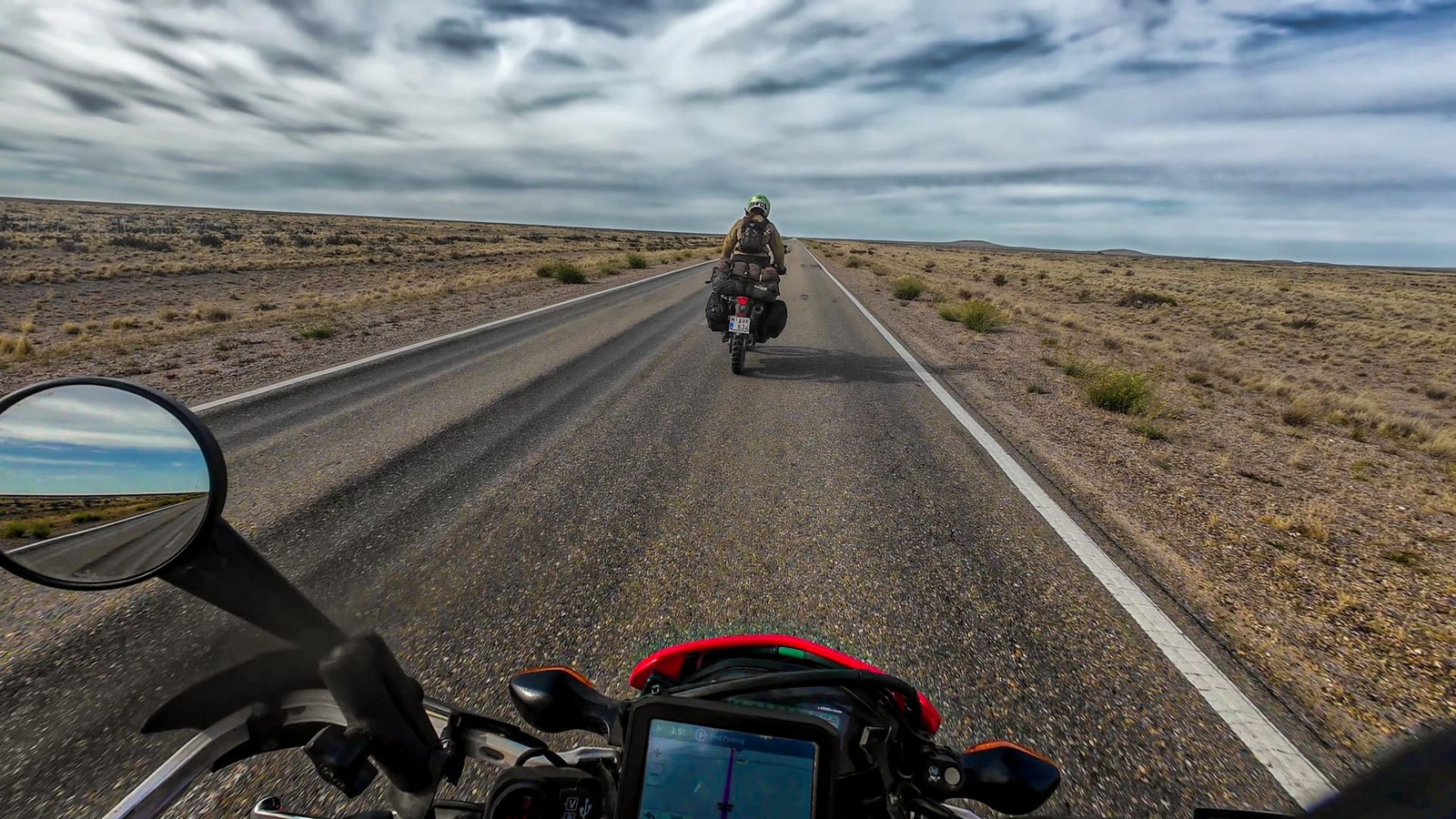
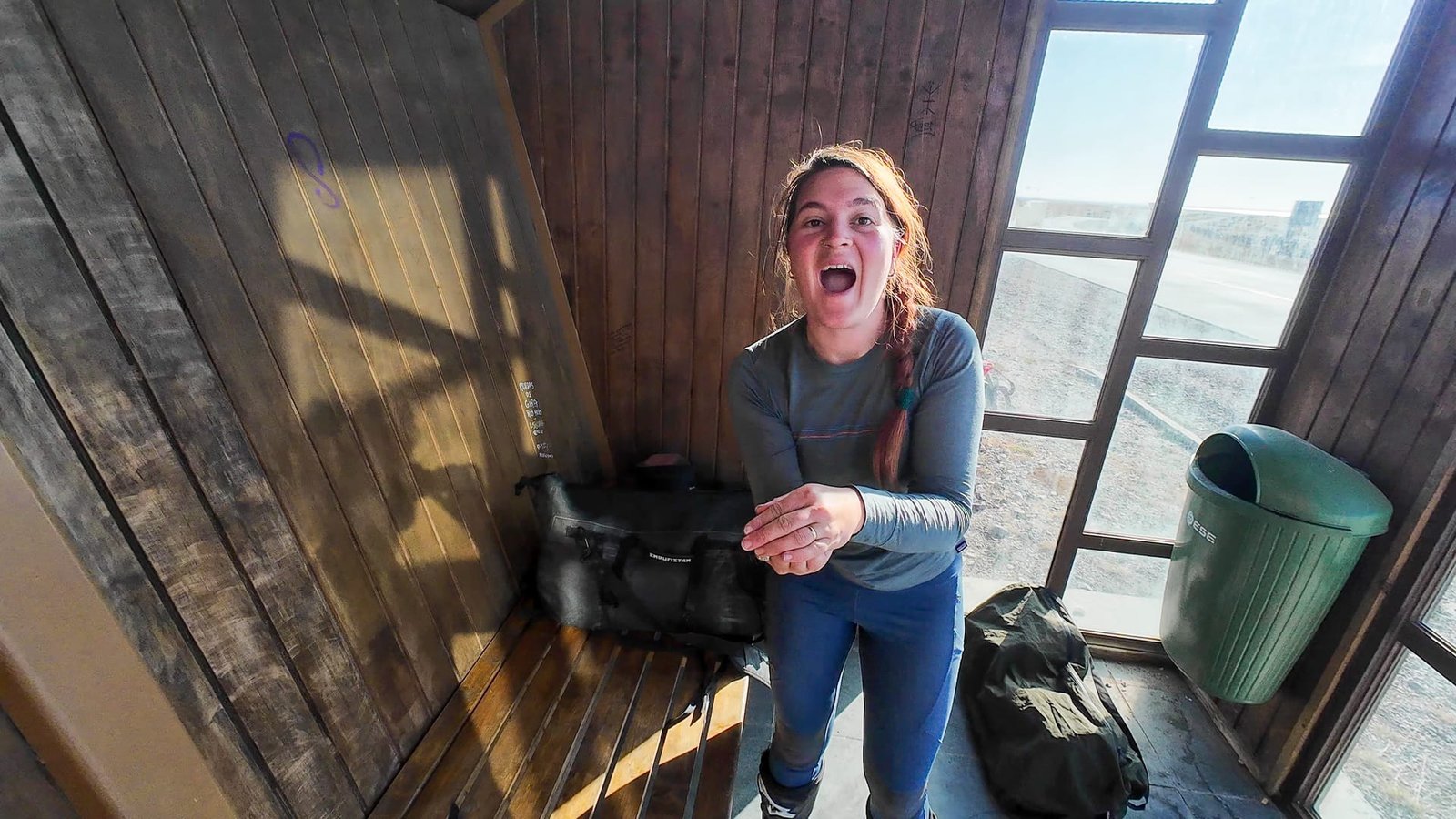
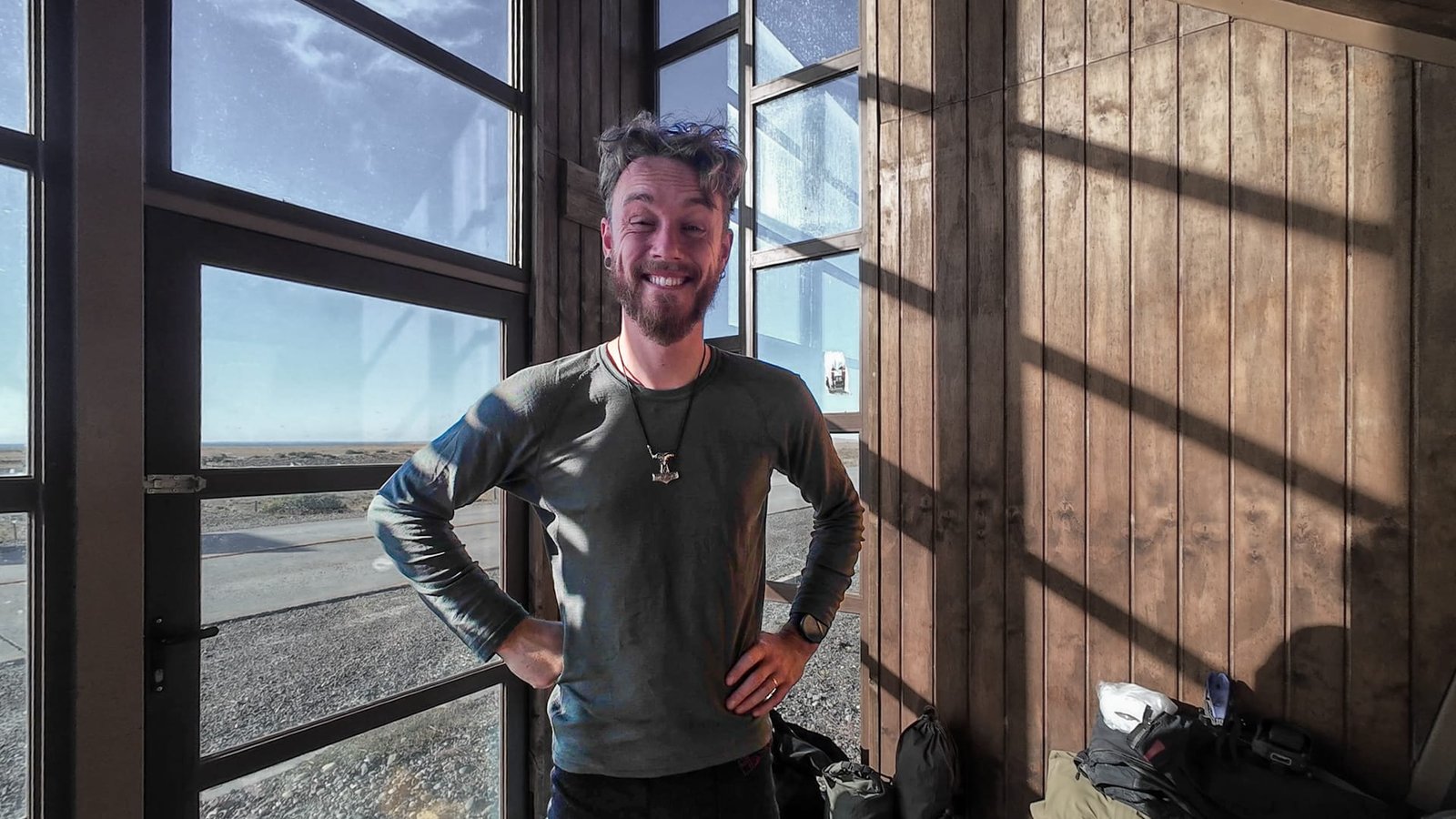
Then, the spell breaks. Engines on. The peaceful buzzing is drowned out, not by a roar (the Honda CRF250L could never be accused of roaring), but by a modest murmur. Wheels turn. We continue north, leaving Ushuaia behind.
The first kilometers quickly pile up—1,700 to be exact. After months in the cold, it’s time to chase the sun. People warned us that Ruta 3 is boring. At times, they might have a point. But this road gets things done. Even our little Hondas can comfortably cover 400–500 kilometers a day. Straight roads, endless horizons. And yet, the Argentinian government insists on posting warning signs at the slightest bend.
What I don’t understand is this: why do people call Ruta 40 a dream and Ruta 3 a nightmare? Having ridden thousands of kilometers on both, I’d say they are equally boring, vast, and miraculously special. Not because of endless attractions, but because of their sheer emptiness.
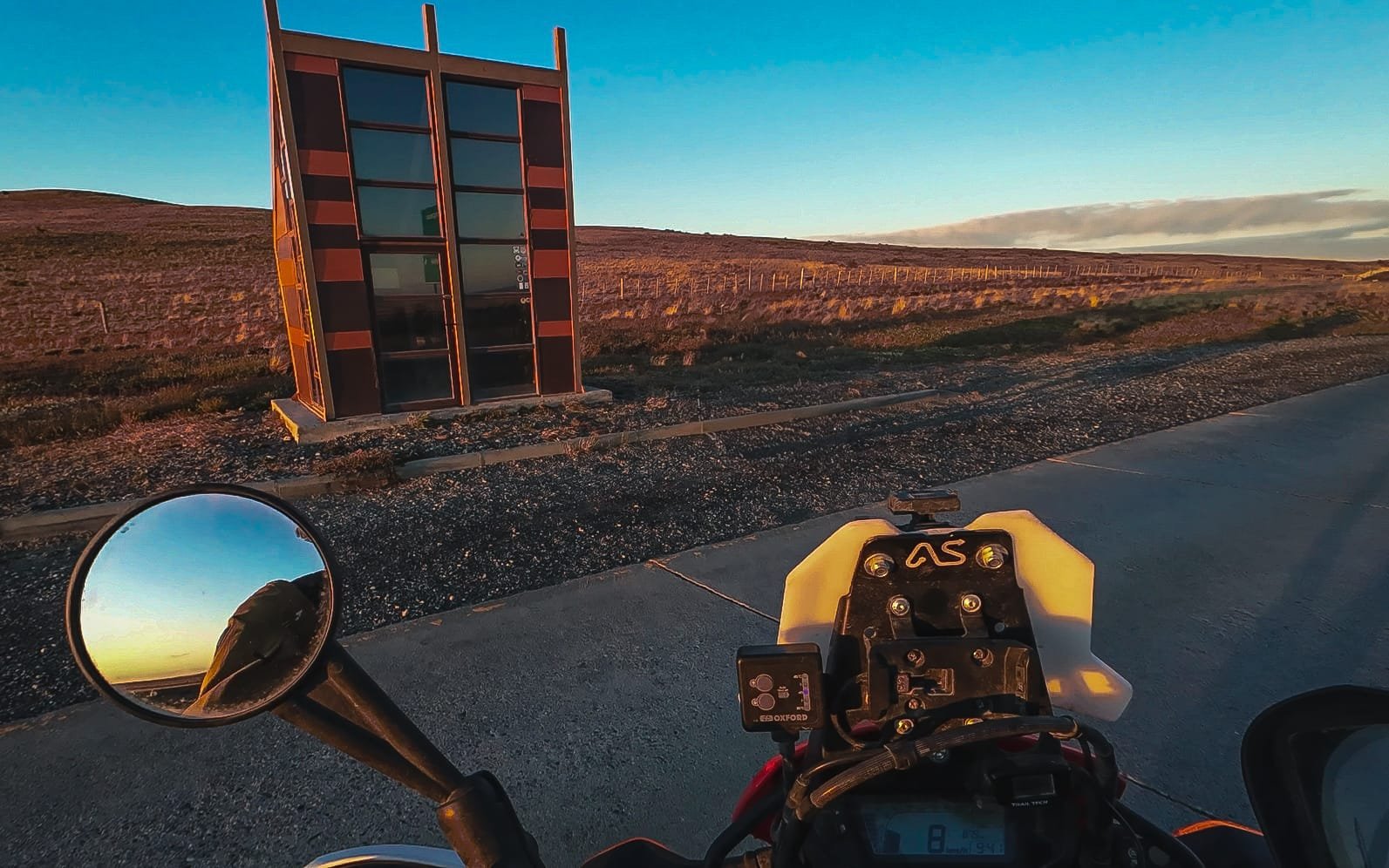
Out here, animals roam. People hide in scattered houses and unremarkable villages. The wind wrestles with everything in its path. The sun shimmers, and sometimes I can’t tell if that’s really a mountain far beyond the horizon, or just my mind inventing shapes to break the monotony of the plains.
Ruta 3.
Wild. Boring. Miraculous.
A miracle—just a few hundred kilometers too long to cross.